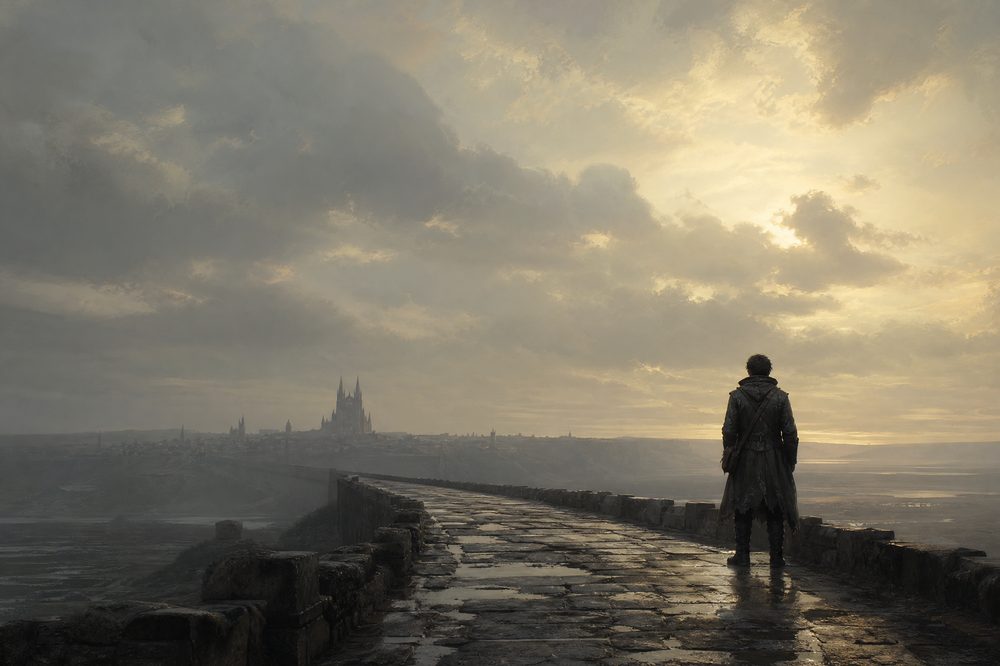
Causeway
An exceptional photo mode attached to a world with one lighting condition. The review argues that the flattest hour of the day has been applied to an entire continent.
 Screenshot Quarterly
Games, framed
Screenshot Quarterly
Games, framed
Most reviews describe how a game plays. This one describes what it is willing to show you, and how hard it makes you work to see it.
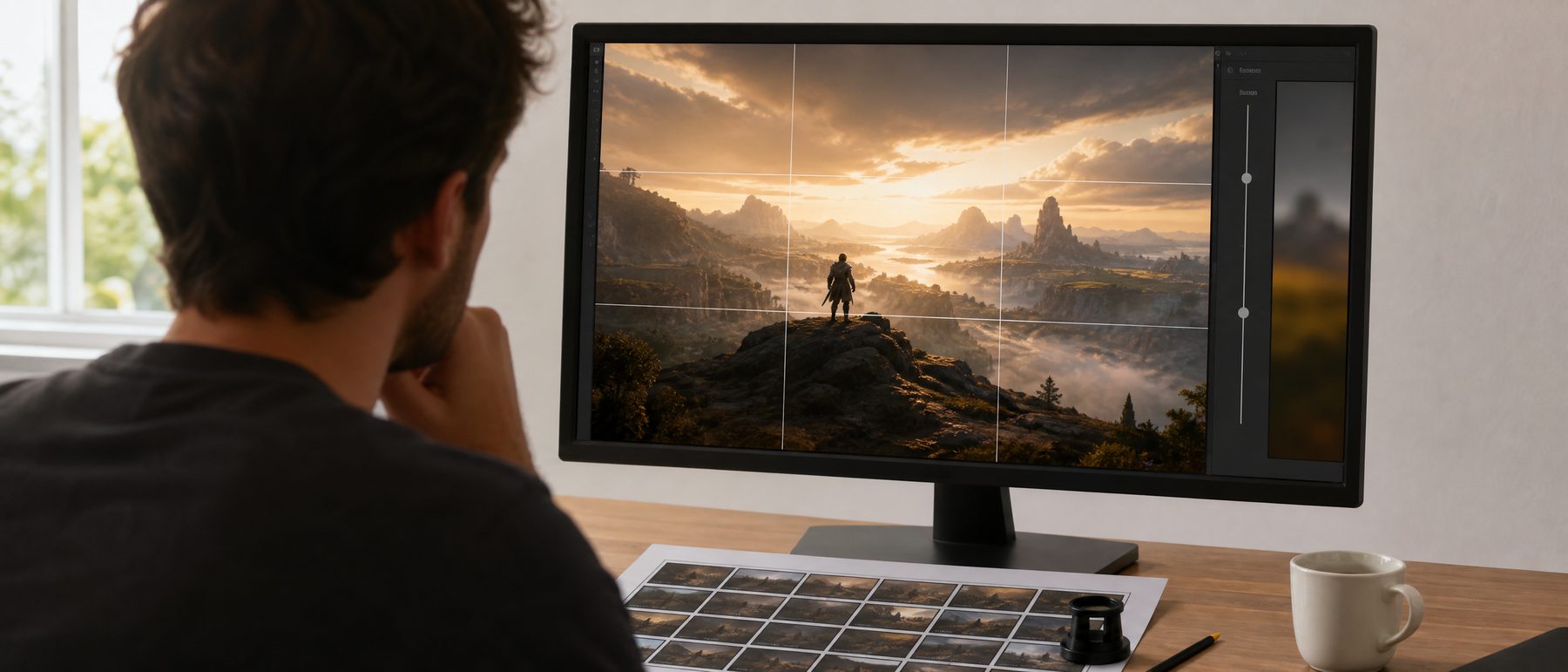
Twelve exposure controls, a proper focal length slider, and a world so evenly lit that nine hundred frames produced eleven worth keeping. The tools are not the problem here, and that is the interesting part.
A photo mode is a claim a game makes about its own images. This publication tests that claim by taking a great many frames and counting how few survive.
Frames taken against frames worth keeping a week later. The single most revealing figure and almost never flattering.
Focal length, aperture, exposure, time of day, roll. What is adjustable, what is fixed, and what is merely a filter.
Light that changes, weather that arrives, terrain that separates into planes. Tools cannot invent any of it.
Whether stopping to compose a frame costs you the game — a paused clock, a lost fight, a reloaded save.
An exceptional photo mode attached to a world with one lighting condition. The review argues that the flattest hour of the day has been applied to an entire continent.
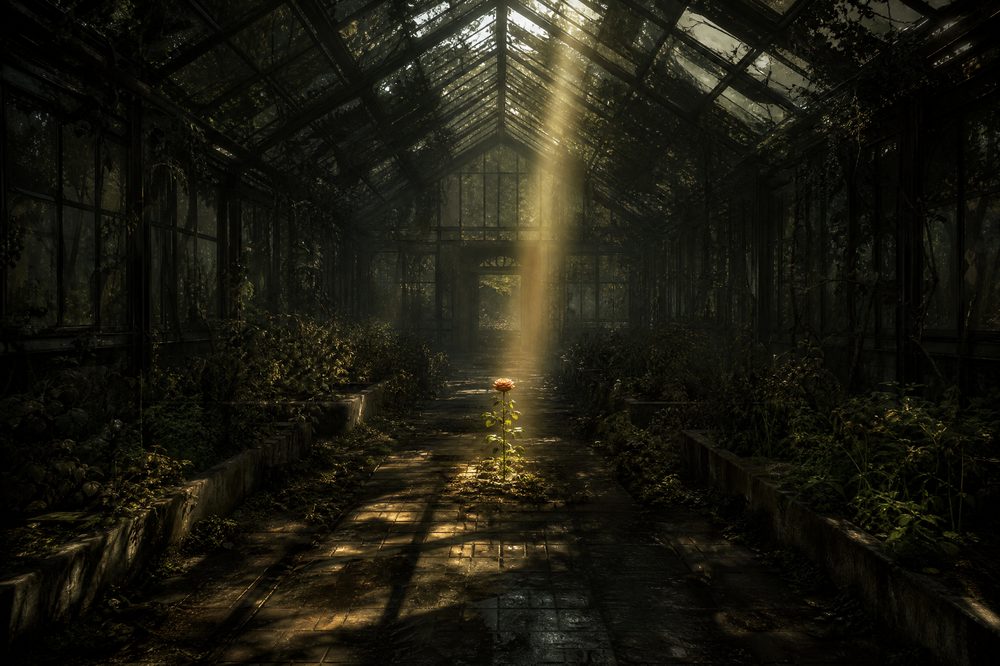
No photo mode at all, and the highest kept ratio in the issue. A game composed so deliberately that the default camera is already the best available position.
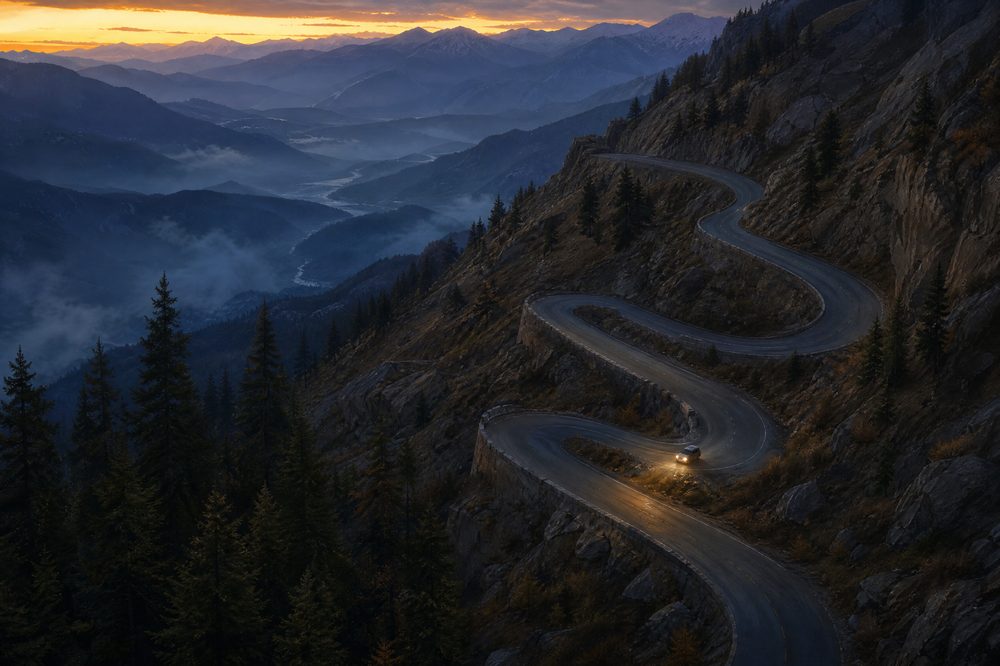
A racing game with a replay camera nobody talks about and a photo mode that cannot be opened mid-race. The best frames here were all taken by somebody who had already lost.
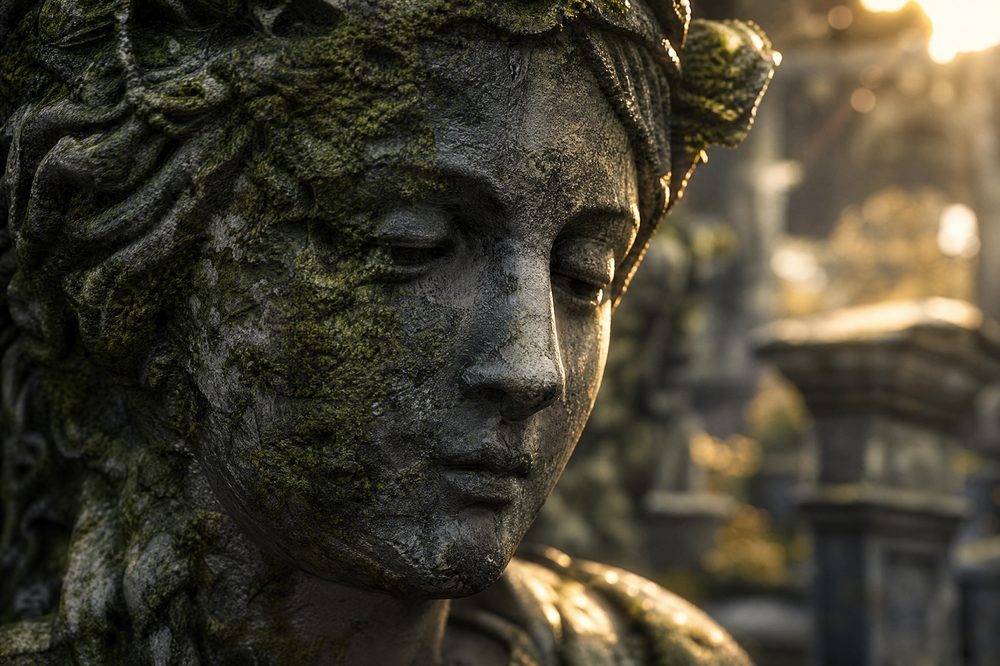
The only game this quarter with a genuine long lens, and it changes everything. Twelve pages of this issue are effectively about what 135mm does to a ruin.
A detective game where every alley is lit like a photograph already, and the photo mode's only real contribution is being allowed to lower the camera to puddle height.
Eighty-one square kilometres of near-featureless flat, one weather system, and the strongest argument in the issue that emptiness is a compositional resource rather than a failure.
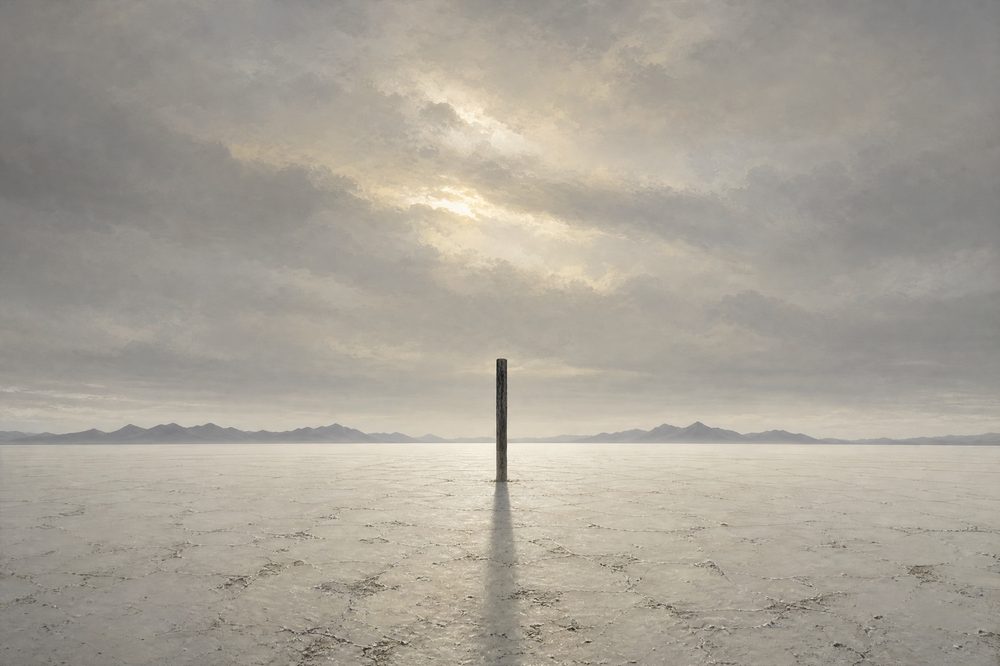
Six games' worth of evidence that the images which survive a week are the ones with the least in them, and that photo modes are built almost entirely for the opposite.
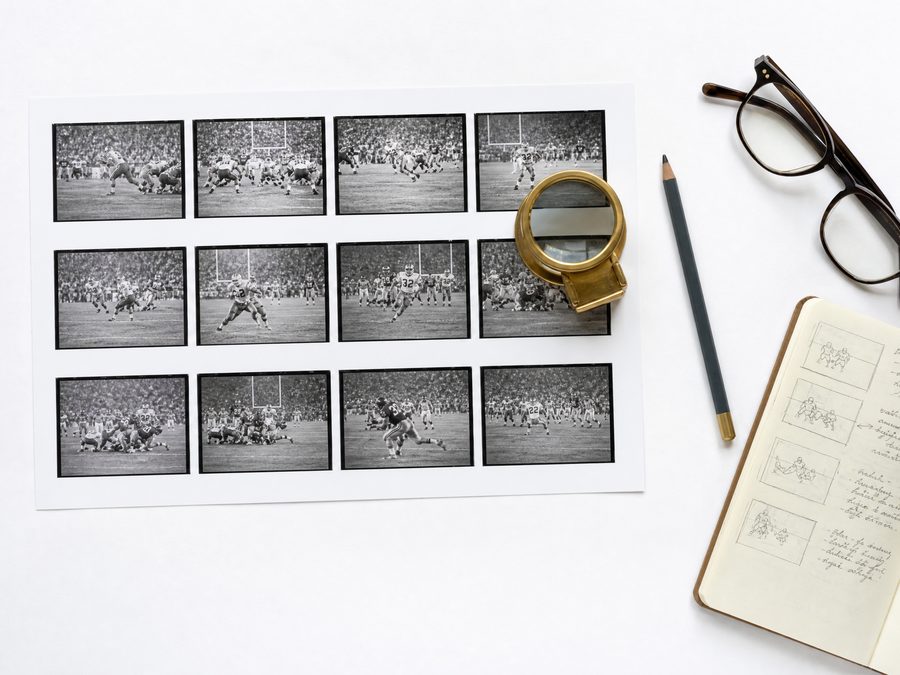
Nineteen games with a time-of-day slider, and in seventeen of them the same forty-minute window produces the best frames. What that says about the other twenty-three hours.
Across all six games: 1,340 frames taken during play, 62 still worth keeping a week later. The best-performing game has no photo mode at all.
Comparison shots at different settings, hardware benchmarks, and anything that treats an image as evidence of technical achievement. A frame that only works at maximum settings is not a composition, it is a specification.
There is also no gallery here. Every image on this site is original artwork made for it, and the frames discussed in the reviews are described rather than reproduced.
Two games is not a sample. It is, however, the fourth consecutive issue in which the pattern has appeared.
Issue 12 examines five games with dynamic weather and one without, on the argument that weather is the only thing a photo mode cannot fake and the only thing that reliably rescues a flat world.
The golden hour survey will be revised again, because two of the nineteen games have since changed their lighting in a patch.