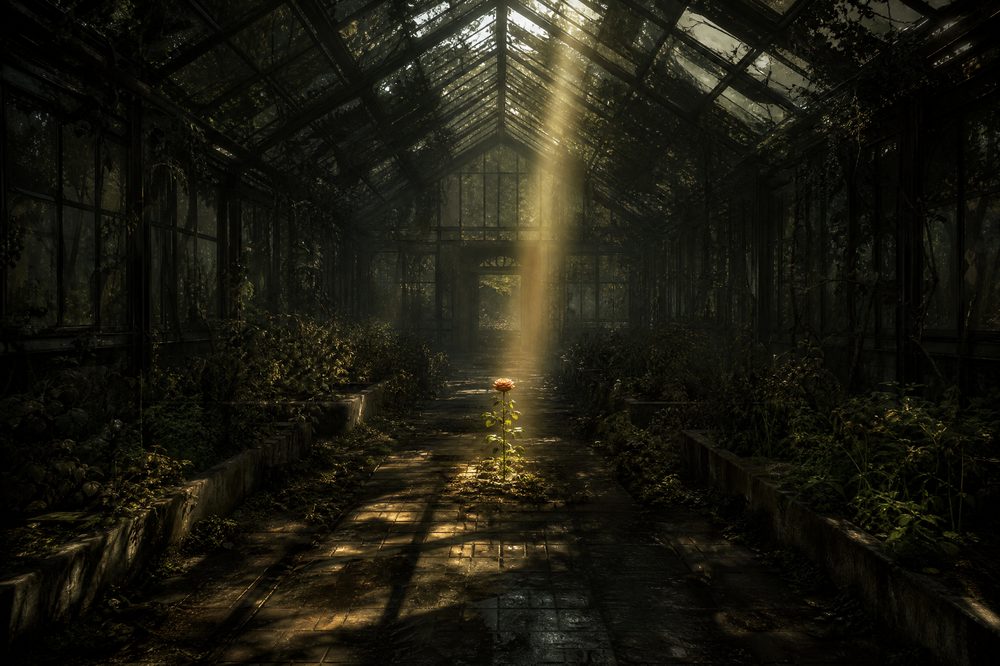
Glasshouse Rose
No photo mode, no free camera, no exposure control, and the highest kept ratio recorded in eleven issues. Every good frame in this game was authored by somebody at the studio and handed over intact.
 Screenshot Quarterly
Games, framed
Screenshot Quarterly
Games, framed
Sorted by the only figure here that resists argument: how many frames were still worth keeping seven days later.
Four full reviews and two shorter notices. The order below is by kept ratio, which puts the game with the worst photo mode at the top and the best one at the bottom.
No photo mode, no free camera, no exposure control, and the highest kept ratio recorded in eleven issues. Every good frame in this game was authored by somebody at the studio and handed over intact.
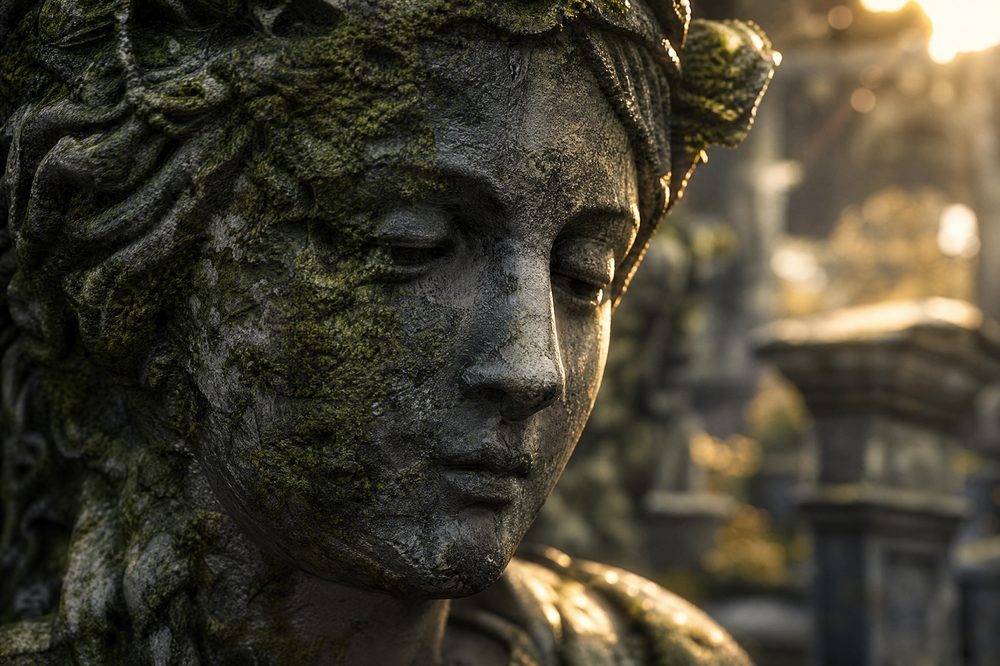
A real focal length range, up to 135mm, and the only game this quarter where the third dimension can be compressed on purpose. The review is largely about what that does to a ruin.
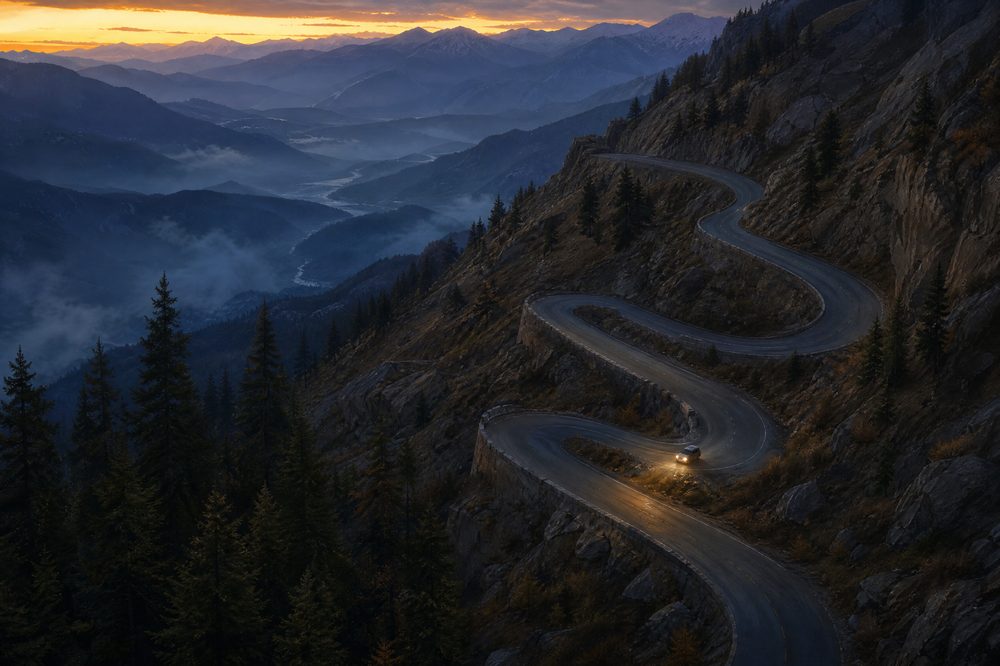
A driving game that will not let you stop, which turns out to be the most honest position on photography any game took this quarter. Every kept frame came from a replay.
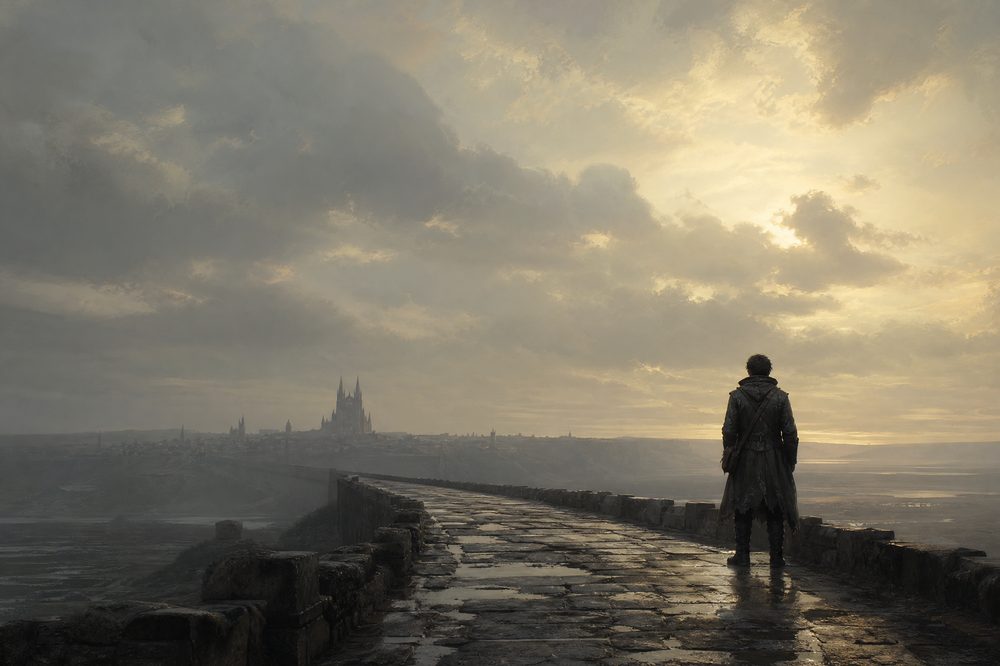
The best set of photographic tools in any game this year, pointed at a continent with a single lighting condition. Nine hundred and one frames produced eleven keepers.
Both were played to the same standard but neither produced enough disagreement to justify a full review.
A detective game in permanent rain, where the default camera is already low and every surface doubles as a mirror. The photo mode adds a height slider and very little else, and the review of it would have consisted mostly of praising the lighting artists — which the shorter notice does instead. One genuine complaint: the frame counter in the corner cannot be hidden, so every kept frame required a second pass.
Eighty-one square kilometres of flat pale ground, one weather system, almost nothing to point a camera at. It produced a kept ratio of eight per cent from ninety-eight frames, which is the second-best figure in the issue and the strongest evidence available that a composition needs a subject and an absence rather than a subject and a spectacle.
Retained here with their figures. The reviews themselves are not currently online, and the kept ratios have not been recalculated under the current definition.
| Game | Issue | Frames | Kept | Tools | World |
|---|---|---|---|---|---|
| Harbour Watch | 10 | 340 | 9.1% | 7 | 9 |
| Tallow Row | 10 | 282 | 5.7% | 8 | 6 |
| Winter Aerodrome | 10 | 195 | 6.7% | 4 | 8 |
| Deep Field | 10 | 612 | 2.0% | 9 | 3 |
| Copper Quarter | 9 | 221 | 8.6% | 3 | 9 |
| Nine Bridges | 9 | 404 | 3.7% | 8 | 5 |
| Fallow Season | 9 | 168 | 7.1% | 2 | 8 |
| Ridge And Wire | 9 | 533 | 1.9% | 10 | 3 |
Read the last two columns of that table together and the pattern that dominates this publication is already visible across three issues: the games with the deepest photographic tools have the lowest kept ratios, and the games with almost no tools at all have the highest.
Four of the six lowest kept ratios across three issues belong to games scoring eight or above for tools. That is fourteen games in total, which is not enough to prove anything and is enough to keep counting. The argument is developed at length in In Defence Of The Almost Empty Frame and the counting method is set out in Criteria.